
Why Athlete Branding in Kansas City Matters in 2026 (And Why Engagement Is Everything)
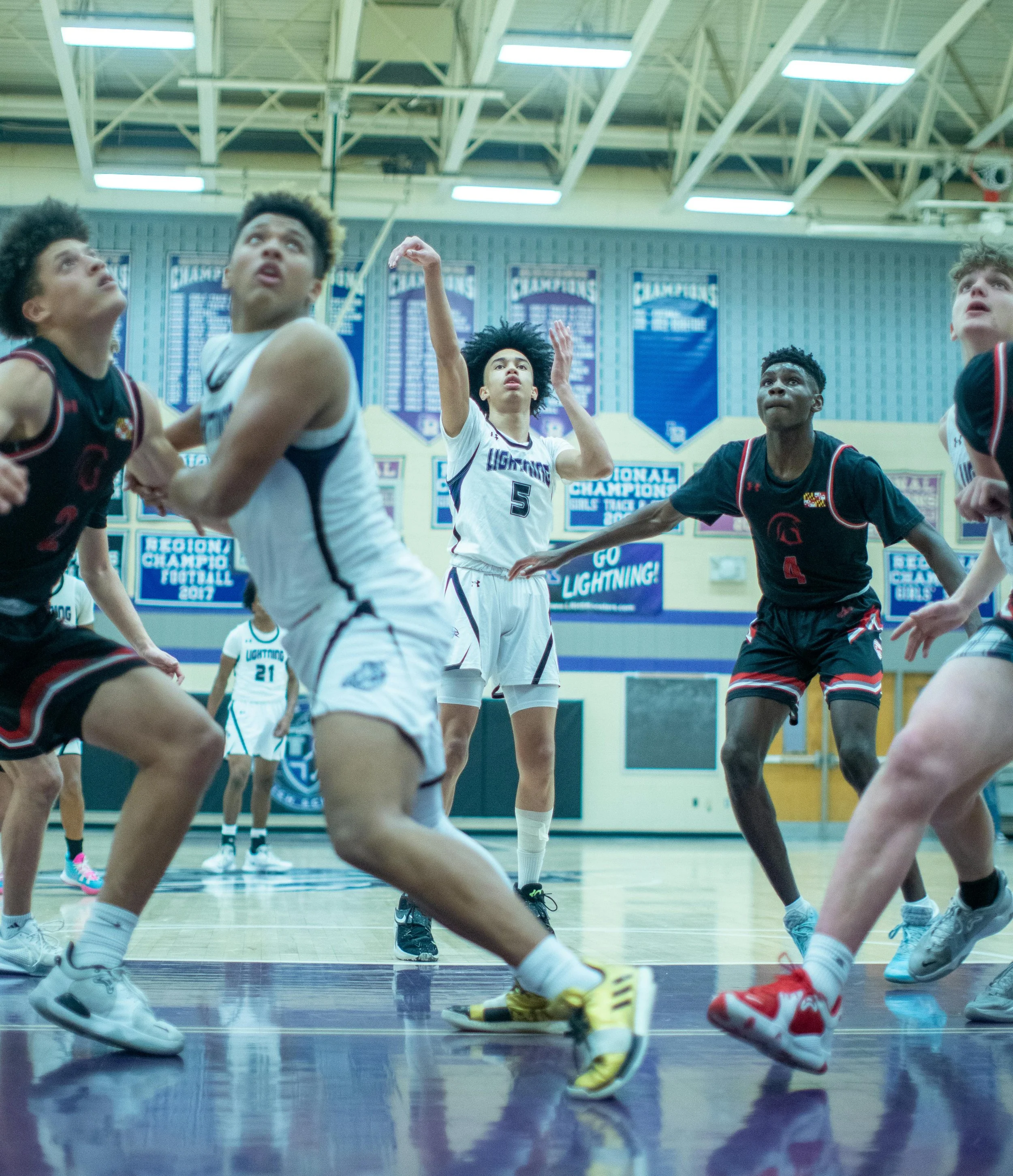
photo by: Styves Exantus
Branding isn’t optional anymore—it’s survival. In 2026, athletes, wrestlers, and sports personalities aren’t just competing in the ring or on the field—they’re competing for attention online.
Name, Image, and Likeness (NIL) deals have been in play since 2021, and they’re only getting bigger. What started as a breakthrough for college athletes has evolved into a multi-billion-dollar ecosystem where personal brand equals earning power. Waiting too long to build your social presence isn’t just a missed opportunity—it’s a career setback.
Every day you delay, someone else is securing sponsorships, locking in partnerships, and turning influence into income. The game has changed: branding without engagement is dead.
Your Brand Is Your Ticket

photo by: Andrea Piacquadio
The work you put into your brand shapes it into the vehicle that will carry you forward. These days, you could be a five-star athlete with Herculean ability—but if you’re not marketable, you might as well be a fifth-stringer on the practice squad.
NIL deals have made being an athlete more business-like than ever before. Recruiters and sponsors don’t just look at stats—they look at influence. They’ll sign a “lesser” player with an established brand before they touch a superstar who couldn’t sell dirt to a dust patch.
Brands and sponsors in the NIL scene want more than followers—they want attention that converts. They’re looking for athletes who can hold an audience, spark conversations, and represent their product with authenticity—not just broadcast to a hull of lifeless bots.
Branding Without Engagement Is Dead
A polished logo and curated feed mean nothing if nobody interacts with your content. Engagement—comments, shares, conversations—is what turns followers into fans and fans into income.
Brands and promoters don’t care about vanity metrics. They care about influence. And influence is measured by engagement. Creating content that sits stagnant is one of the fastest ways to burn time, energy, and confidence. You can spend hours planning, shooting, and editing—but if nobody interacts, it’s just noise in a crowded feed.
Here’s the hard truth: visibility without engagement is a mirage. A post that looks good but doesn’t spark conversation does nothing for your elevation. It doesn’t attract sponsors, it doesn’t build community, and it doesn’t move you closer to influence.
Engagement is the engine that turns content into currency. Without it, your brand is a parked car—shiny, polished, and going nowhere. Every like, comment, and share is a signal to algorithms and audiences that you matter. Without those signals, your content gets buried, and so does your opportunity.
If you’re creating content just to “check the box,” you’re losing. The goal isn’t to post—it’s to connect. Every piece of content should be designed to start a conversation, not just fill space.
The Economics of Attention
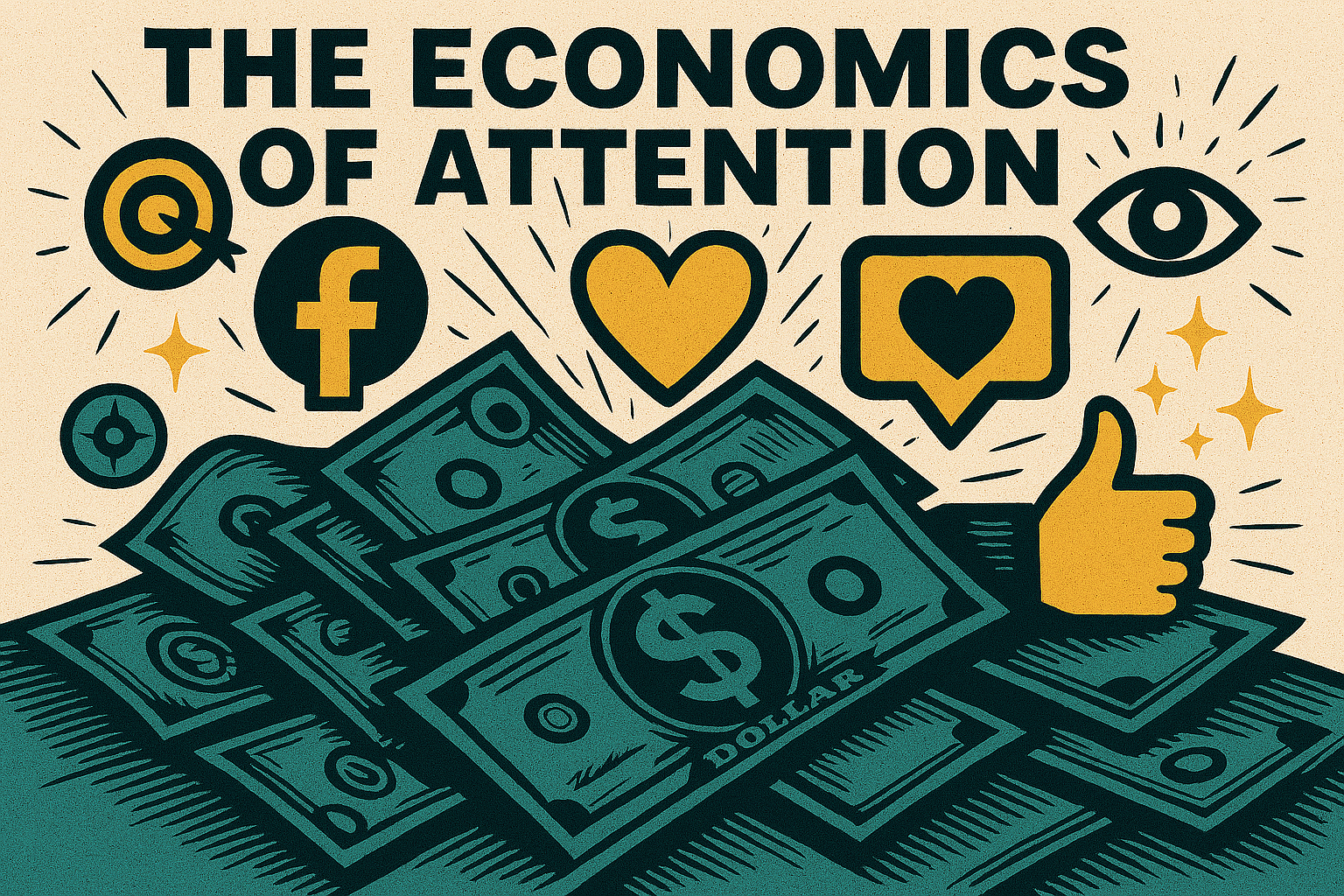
Think of engagement as currency:
Every comment is a deposit.
Every share is interest.
Every conversation compounds your brand equity.
If your engagement score is low, your brand is broke—no matter how many followers you have. KC isn’t just a flyover sports town anymore. With the Chiefs dominating the NFL, the Royals rebuilding, and local wrestling promotions gaining traction, the city is buzzing with sports energy. That means more eyes, more opportunities—and more competition for attention.
For wrestlers, this is the difference between getting booked for the next big show or sitting out. For student athletes, it’s the gap between landing an NIL deal or watching someone else cash in. For sports personalities, it’s what separates a podcast that sponsors fight over from one that fades into the noise.
Attention is the economy now. If you’re not building engagement, you’re not building wealth.
Engagement vs follower count: what the numbers say

photo by: AS Photography
Research shows that nano- and micro-influencers (1K–100K followers) often deliver 50% higher engagement rates than larger influencers—leading to better ROI for brands.
Meanwhile, campaigns involving smaller but highly engaged creators see action rates exceeding 4%, compared to large influencers who often fall below 1.2%. [archive.com], [moldstud.com] [moldstud.com]
That’s why brands are shifting away from vanity and investing in attention. Why does this matter? Because ROI drives the attention economy. Brands aren’t paying for reach—they’re paying for results. A million followers mean nothing if those followers don’t interact, click, or convert. Engagement is what moves the needle because it signals influence, not just visibility.
For athletes, this translates into real-world opportunities:
Wrestlers: Promoters book talent that can draw crowds online and offline. If your posts don’t spark conversation, you’re invisible.
Student Athletes: NIL deals go to players who can deliver attention. A smaller following with strong engagement beats a big following with dead weight every time.
Sports Personalities: Sponsors want proof that your audience listens, not just scrolls past. High engagement equals higher ad dollars and long-term partnerships.
The takeaway? Stop chasing vanity metrics. Start building engagement. Because in this economy, attention is the asset—and engagement is the ROI.
How to Build Engagement Into Your Brand

Engagement isn’t luck—it’s strategy. If you’re posting just to fill space, you’re already losing. Every piece of content should have one job: start a conversation. Here’s how you make that happen:
Post With Purpose
Don’t throw random clips into the void. Every post should answer one question: Why should someone care enough to comment or share? If you can’t answer that, don’t hit publish.Show Personality
Fans engage with authenticity, not cookie-cutter captions. Let your voice cut through the noise. Share stories, behind-the-scenes moments, and real takes that make people feel connected—not just entertained.Respond and Reciprocate
Engagement is a two-way street. If you ignore comments, you’re killing momentum. Reply, react, and build relationships. The algorithm rewards interaction, and so do sponsors.
The goal isn’t to post—it’s to connect. Every like, comment, and share is a signal that you matter. Without those signals, your content gets buried, and so does your brand.
Momentum Score: Your Engagement Credit Score
At Momentum Media Group, we created the Momentum Score—a social media audit that measures your engagement health across Instagram, TikTok, and YouTube. It’s your brand’s credit score. Low score? No deals.
Want to know your score? Start with a free social media audit today.